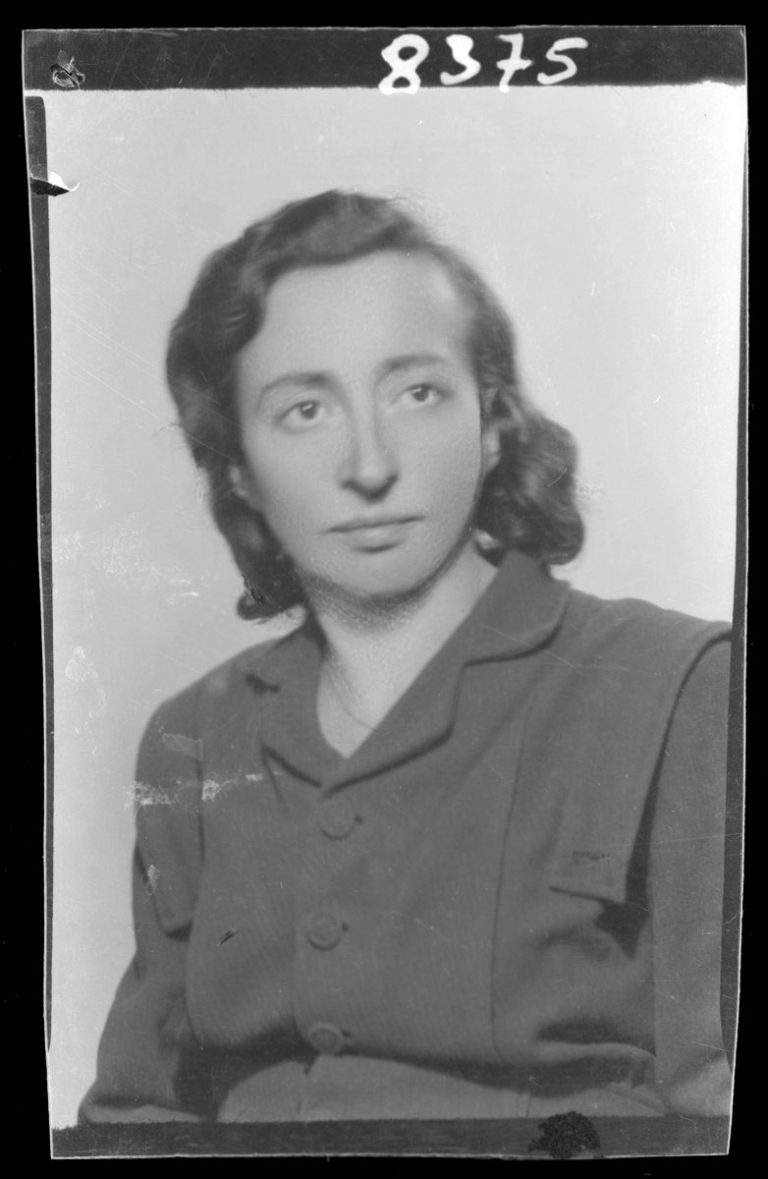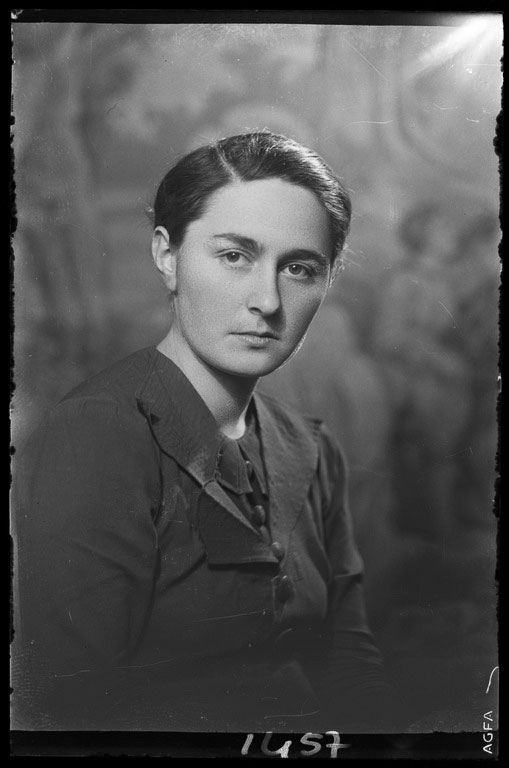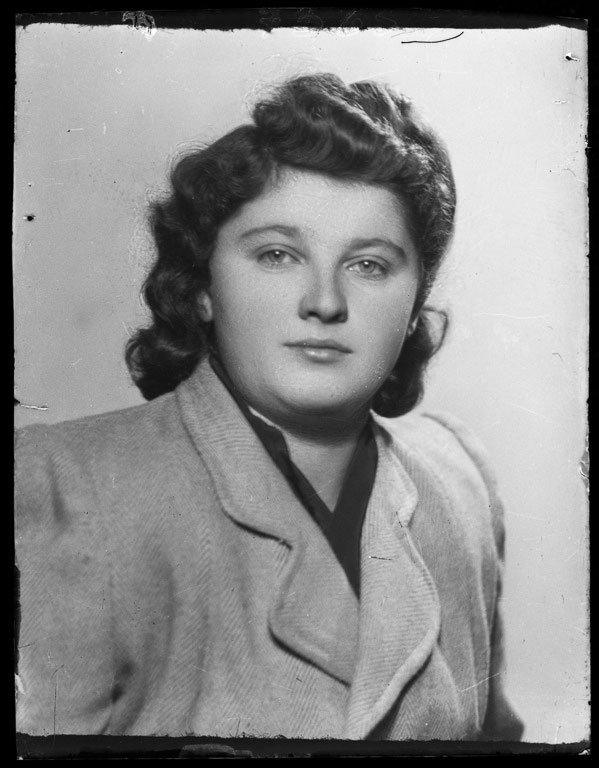
Herskovits Lili
 RegioMM
Fiecare nume din trecutul comunității evreiești din zona noastră reprezintă o viață, o familie și o poveste care merită readusă la lumină. Printre tinerii a căror existență a fost frântă mult prea devreme în timpul Holocaustului se numără și Herskovits Lili.
Născută la 15 ianuarie 1927 în localitatea Remetea Oașului, Lili a locuit înainte de război în Baia Mare. Destinul ei, asemenea celui al întregii comunități evreiești din oraș, s-a schimbat dramatic în primăvara anului 1944, când a fost deportată de autoritățile maghiare în lagărul de exterminare Auschwitz-Birkenau.
Înființat în august 1944 pentru construcția de fortificații și tranșee antitanc sub coordonarea Organizației Todt, acest complex de sublagăre (cu puncte la Bocień, Szerokopas, Grodno și Chorab) a fost caracterizat de un regim de exterminare prin muncă. Aproximativ 5.000 de femei evreice – majoritatea din Ungaria și Transilvania de Nord – au fost supuse unor condiții inumane: trezirea la ora 3 dimineața, marșuri istovitoare prin noroi și ger, muncă silnică de la zori până la apus, lipsă acută de hrană, haine zdrențuite și adăposturi improvizate în grajduri sau corturi din placaj fără podea. Frigul, bătăile brutale ale gardienilor și epidemiile de tifos și dizenterie au provocat o mortalitate masivă, care a crescut dramatic în lunile noiembrie și decembrie 1944.
Într-un astfel de val de pierderi din pragul iernii s-a stins și viața tinerei băimărence. Potrivit documentelor oficiale ale administrației lagărului Stutthof (lista deceselor din 14 ianuarie 1945), Herskovits Lili a murit în sublagărul OT Thorn în perioada 11-15 decembrie 1944 – un interval în care arhivele consemnează moartea unui grup de 38 de femei din acest detașament. Avea doar 17 ani. În actele birocratice ale naziștilor, cauza morții sale a fost consemnată sec drept „insuficiență cardiacă” (Herzschwäche), formula standard folosită pentru a masca epuizarea, înfometarea și brutalitatea lagărului.
Közösségünk zsidó múltjának minden egyes neve egy-egy életet, családot és olyan történetet képvisel, amely megérdemli, hogy felszínre hozzuk. Azon fiatalok közé, akiknek az életét a holokauszt idején túl korán törték derékba, tartozik Herskovits Lili is.
1927. január 15-én született Kőszegremetén (Remetea Oașului), a háború előtt pedig Nagybányán élt. Sorsa – akárcsak a város egész zsidó közösségéé – 1944 tavaszán drámai fordulatot vett, amikor a magyar hatóságok deportálták az auschwitz–birkenaui megsemmisítőtáborba.
A kezdeti szelekciót túlélve Lilit (aki az 59 313-as fogolyszámot kapta) később a stutthofi koncentrációs táborba szállították át, onnan pedig annak egyik kényszermunka-altáborába: a Baukommando „Weichsel”-be, amelyet a levéltárak OT Thorn néven tartanak nyilván (a lengyelországi Toruń / Chełmno térségében).
Az 1944 augusztusában a Todt Szervezet irányítása alatt erődítmények és harckocsiárkok építésére létrehozott altábor-komplexumot (amelynek Bocień, Szerokopas, Grodno és Chorab településeken voltak táborhelyei) a munkával történő megsemmisítés rendszere jellemezte. Körülbelül 5000 zsidó nőt – többségében Magyarországról és Észak-Erdélyből – vetettek alá embertelen körülményeknek: hajnali 3 órakor volt az ébresztő, kimerítő menetelések sárban és fagyban, kényszermunka pirkadattól alkonyatig, égető élelemhiány, rongyos ruházat, valamint istállókban vagy padló nélküli rétegelt lemez sátrakban kialakított szükség szállások. A hideg, az őrök brutális verései, valamint a tífusz- és vérhasjárványok tömeges halálozást okoztak, amely 1944 novemberében és decemberében drámai mértékben megugrott.
A tél küszöbén bekövetkezett ilyen veszteséghullámban hunyt el a fiatal nagybányai lány is. A stutthofi tábor adminisztrációjának hivatalos dokumentumai (az 1945. január 14-i halotti lista) szerint Herskovits Lili az OT Thorn altáborban halt meg 1944. december 11. és 15. között – abban az időszakban, amelyből a levéltári adatok ennek az alakulatnak egy 38 fős női csoportjának a halálát jegyezték fel. Mindössze 17 éves volt. A nácik bürokratikus irataiban a halál okát szenvtelenül „szívelégtelenségként” (Herzschwäche) tüntették fel – ez volt az a bevett kifejezés, amellyel a tábori kimerültséget, az éheztetést és a brutalitást leplezték.
Every name from the past of our community’s Jewish heritage represents a life, a family, and a story that deserves to be brought back to light. Among the young people whose lives were cut far too short during the Holocaust is Herskovits Lili.
Born on January 15, 1927, in Remetea Oașului, she lived in Baia Mare before the war. Her fate-like that of the entire Jewish community in the town-changed dramatically in the spring of 1944, when she was deported by the Hungarian authorities to the Auschwitz-Birkenau extermination camp.
Surviving the initial selection, Lili (registered under prisoner number 59 313) was later transferred to the Stutthof concentration camp, and from there to one of its forced-labor subcamps: Baukommando “Weichsel,” known in the archives as OT Thorn (located in the Toruń / Chełmno area of Poland).
Established in August 1944 to build fortifications and anti-tank trenches under Organisation Todt, this subcamp complex (with sites at Bocień, Szerokopas, Grodno, and Chorab) was marked by a regime of extermination through labor. Roughly 5,000 Jewish women-mostly from Hungary and Northern Transylvania-were subjected to inhumane conditions: 3:00 a.m. wake-ups, exhausting marches through mud and freezing cold, forced labor from dawn until dusk, severe food shortages, tattered clothing, and makeshift shelter in barns or unfloored plywood tents. Freezing temperatures, brutal beatings by guards, and outbreaks of typhus and dysentery caused massive mortality, which rose sharply in November and December 1944.
Amid this wave of losses at the onset of winter, the young woman from Baia Mare lost her life. According to official records of the Stutthof camp administration (the death list of January 14, 1945), Herskovits Lili died in the OT Thorn subcamp between December 11 and 15, 1944-a period during which archival records note the deaths of a group of 38 women from this detachment. She was just 17 years old. In the bureaucratic records of the Nazis, her cause of death was coldly listed as “heart weakness” (Herzschwäche), the standard formula used to mask camp exhaustion, starvation, and brutality.
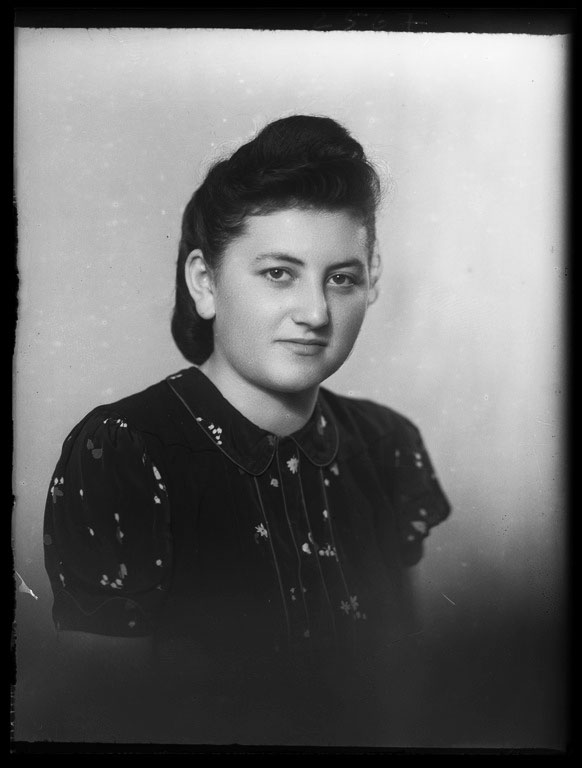
Foto US Holocaust Memorial Musem – Suba Zoltán