Mărturia lui Bernát Zálmán
 RegioMM
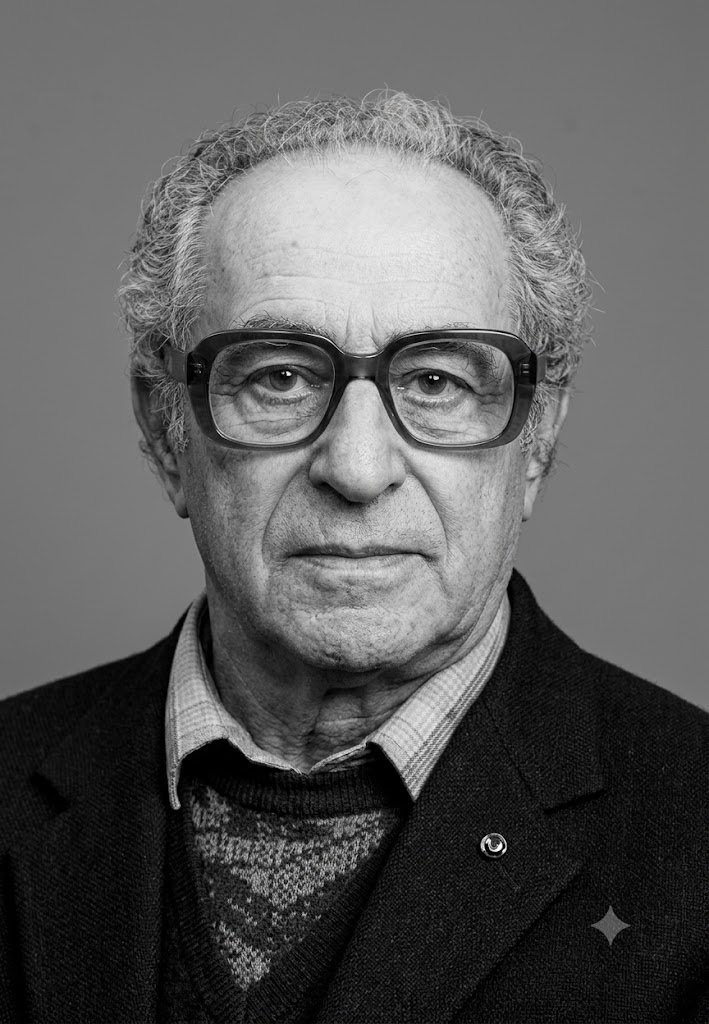
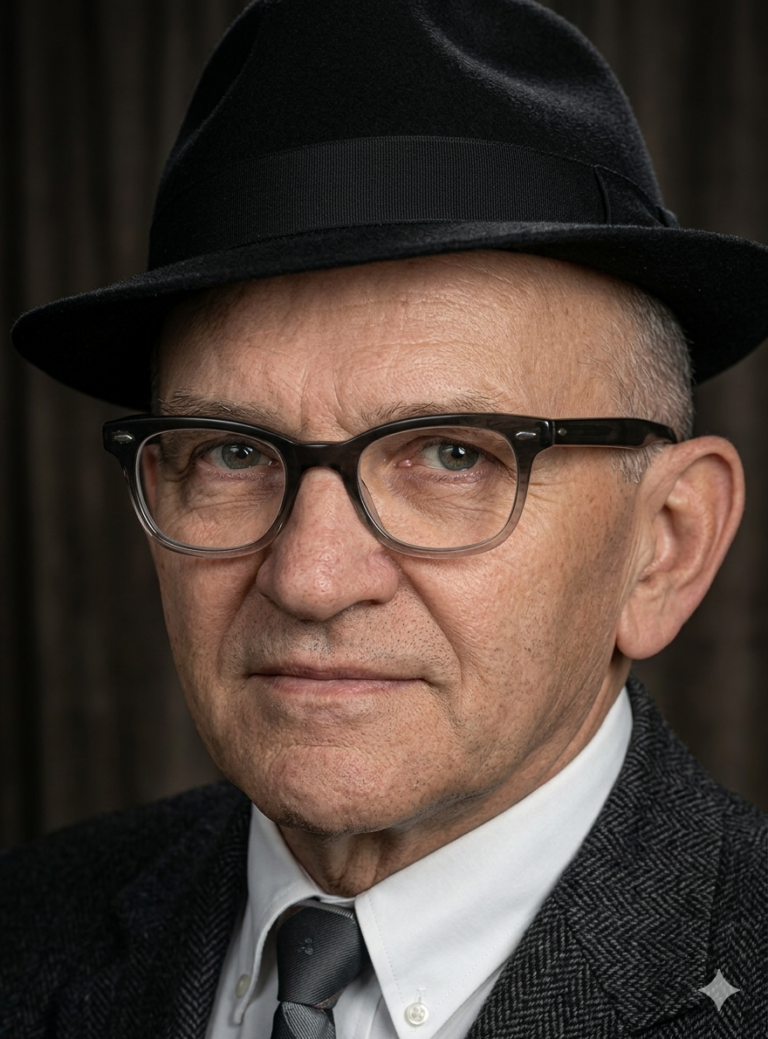
Mărturia lui Bernát Zálmán/ Bernát Zálmán vallomása/ The testimony of Bernát Zálmán
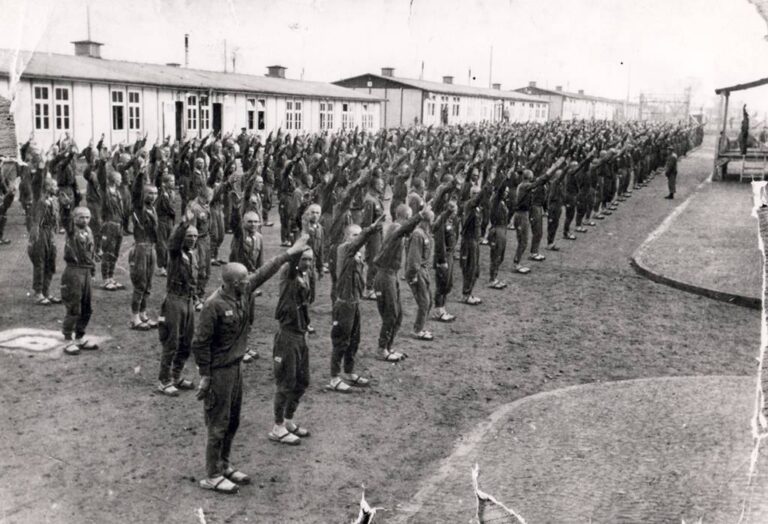
Până la intrarea în ghetou, am făcut parte din unitatea de muncă forțată 110/31. Am lucrat la construcția căii ferate. Munca era extrem de grea: zi și noapte, în ger înghețat și sub bătăi constante.
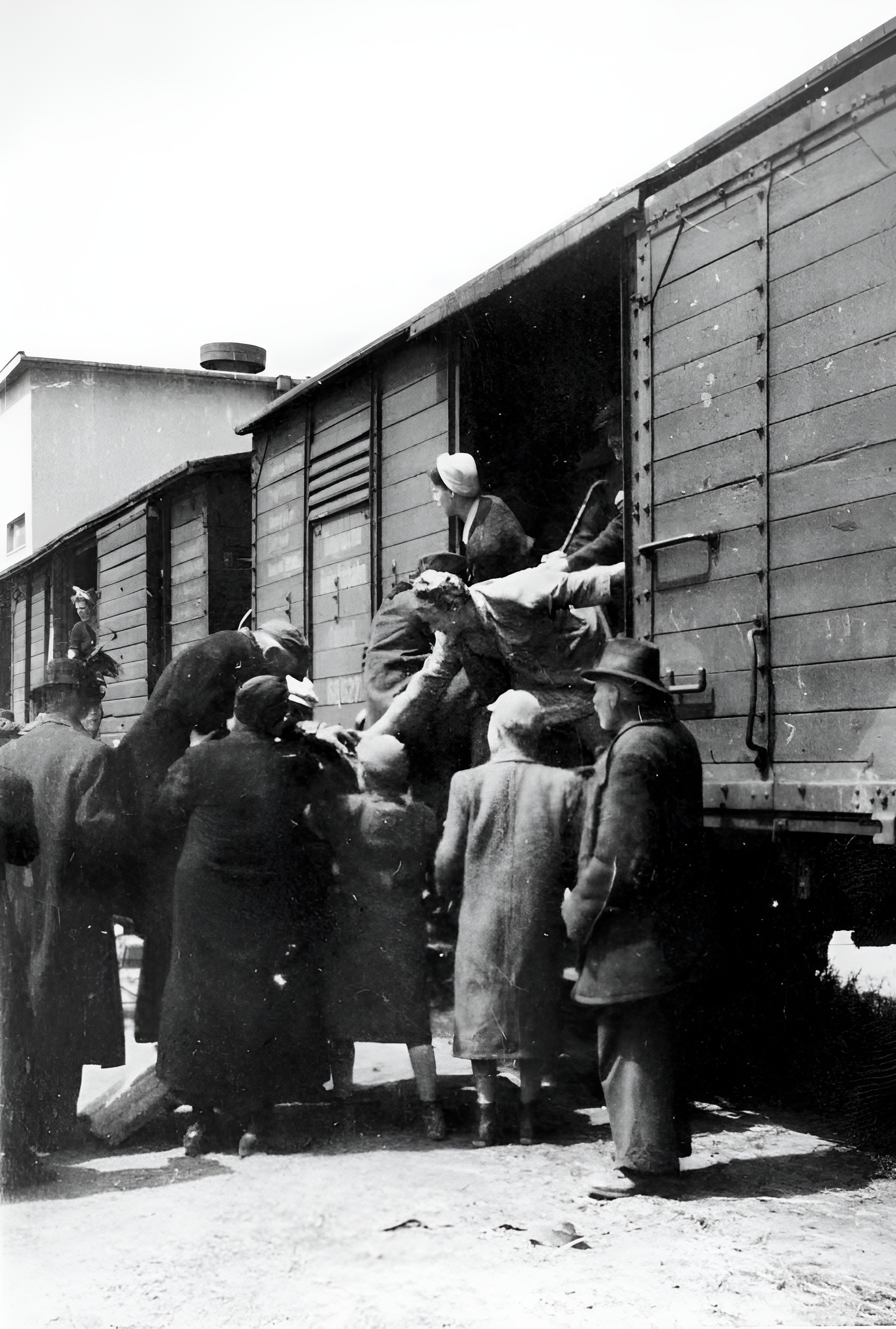
În timp ce lucram la marginea șinelor, a trecut pe lângă mine trenul în care familia mea era dusă spre Auschwitz. Tatăl meu, căruia îi tăiaseră barba și perciunii, era într-o stare foarte rea; avea fața neagră. Mama mea și soția mea, Rivka, se aflau și ele în tren împreună cu cei trei copii ai noștri, cu vârste între 6 și 9 ani. De asemenea, cei trei frați și cele patru surori ale mele erau acolo. Am reușit să le dau puțină mâncare.
Mi-am început serviciul la Baia Mare, apoi m-au dus în zona Budapestei, iar de acolo la Hust. Ulterior, am fost dus la Cașovia (Košice), apoi în orașul Lublin și, după aceea, în Ucraina. Eram foarte bolnav, scuipam sânge. Am fost forțat să lucrez chiar și de Yom Kippur. Am fost și într-un lagăr de lângă Auschwitz, unde dormeam într-un grajd de cai. Caii mă loveau adesea cu copitele.
Din întreaga familie s-au mai întors de la Auschwitz doar doi dintre frații mei, Gerson și Áron. Toți ceilalți membri ai familiei au pierit.
A gettóba vonulásig a 110/31-es munkaszolgálatos egységnél szolgáltam. Vasútpálya-építésen dolgoztunk; a munka rendkívül nehéz volt: éjjel-nappal, fagyos hidegben és állandó ütlegelések közepette végeztük.
A sínek mellett dolgoztam, amikor elhaladt mellettem az a vonat, amellyel a családomat Auschwitz felé szállították. Láttam apámat, akinek levágták a szakállát és a pajeszát; nagyon rossz állapotban volt, az arca feketéllett. Anyám és feleségem, Rivka is a vonaton volt három gyermekünkkel, akik ekkor 6 és 9 év közöttiek voltak. Három fivérem és négy nővérem szintén ott volt. Még módomban állt egy kevés ételt beadni nekik a vagonba.
Szolgálatomat Nagybányán kezdtem, utána Budapest környékére, majd Husztra vittek. Onnan Kassára, később Lublinba, végül Ukrajnába kerültem. Nagyon beteg voltam, vért köptem. Még Jóm kippurkor is dolgoznom kellett. Később egy Auschwitz melletti táborba kerültem, ahol egy lóistállóban aludtam, és a lovak gyakran belém rúgtak.
A családból csak két fivérem, Gerson és Áron tért vissza. Mindenki más elpusztult.
Until the entry into the ghetto, I served in the 110/31 labor service unit. We worked on the construction of railway tracks. The work was extremely difficult: day and night, in freezing cold, and amidst constant beatings.
While working by the side of the tracks, the train carrying my family toward Auschwitz passed by me. My father, whose beard and sidelocks had been cut off, was in very poor condition; his face was blackened. My mother and my wife, Rivka, were also on the train with our three children, aged between 6 and 9. My three brothers and four sisters were there as well. I managed to hand them a little bit of food.
I began my service in Nagybánya (Baia Mare), then I was taken to the surroundings of Budapest, and from there to Huszt. Later, I was taken to Kassa (Košice), then to the city of Lublin, and after that to Ukraine. I was very ill, spitting blood. I was forced to work even on Yom Kippur. I was also in a camp near Auschwitz, where I slept in a horse stable. The horses often kicked me.
Only two of my brothers, Gerson and Áron, returned from Auschwitz. All other members of the family perished.