Comunitatea evreilor din Botiza, Maramureș
 RegioMM
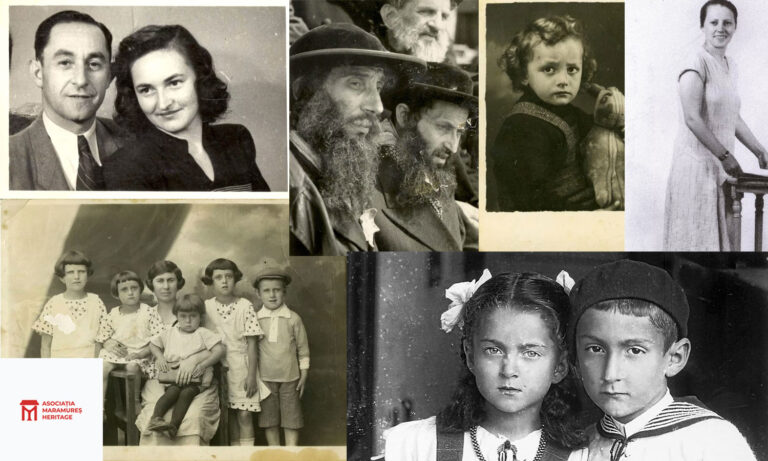
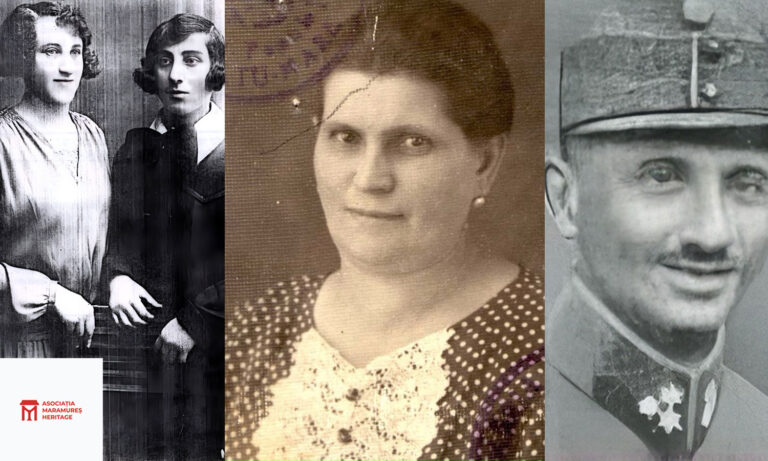
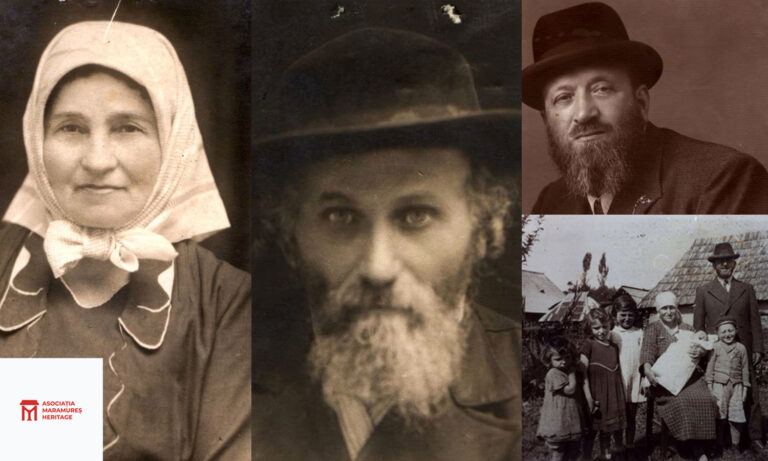
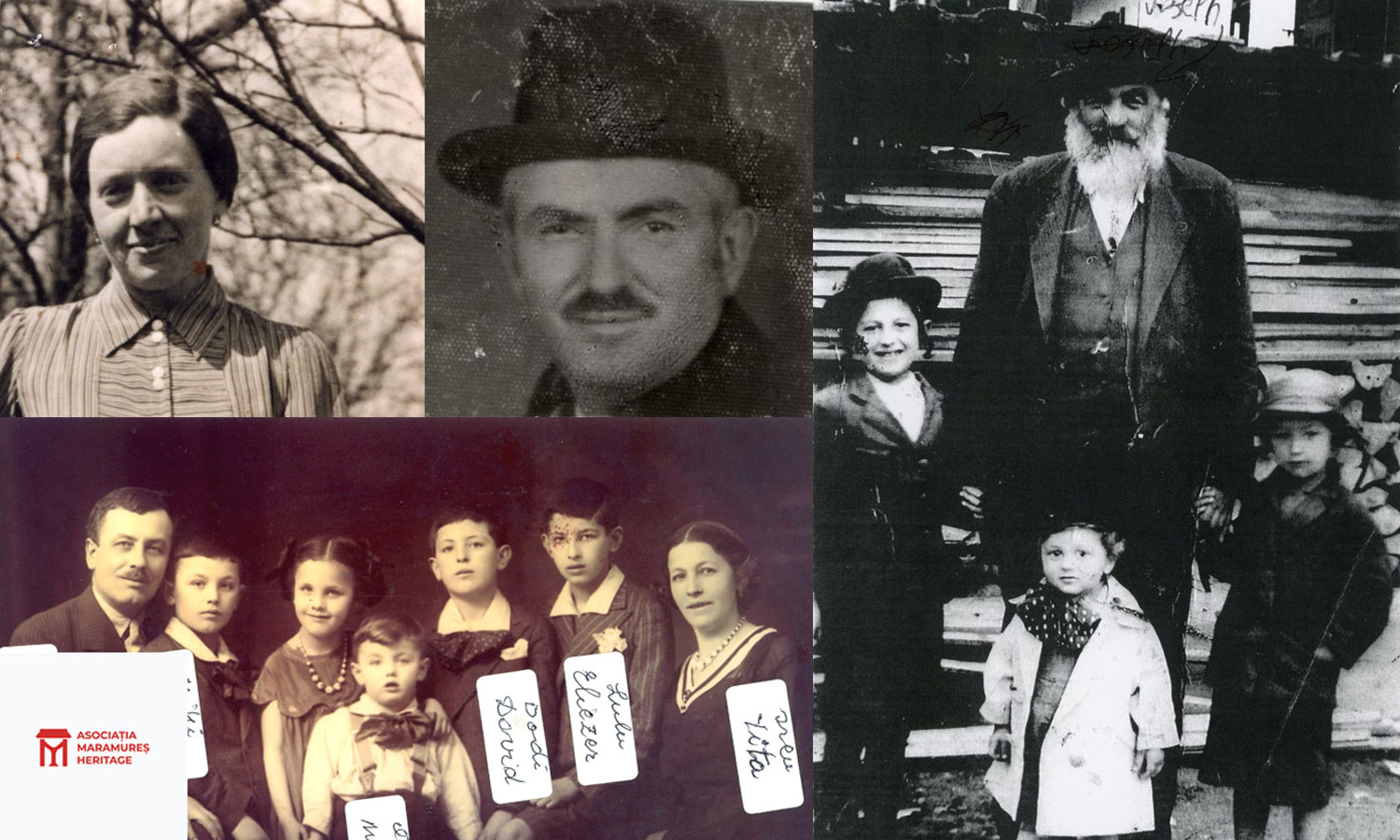
Primii evrei s-au stabilit în Botiza la sfârșitul secolului al XVIII-lea, sosind din Galiția. În anul 1840, în sat trăiau doar zece evrei. Peste patruzeci de ani, numărul lor a ajuns la 59, iar în 1910 au fost consemnate 213 persoane care s-au declarat evrei. După Primul Război Mondial, numărul evreilor începe să scadă, astfel că la recensământul din 1941 în Botiza mai trăiau 117 evrei.
Comunitatea a fost arondată inițial celei din Sighet, ulterior fiind trecută în subordinea comunității din Dragomirești. Evreii din Botiza dispuneau de o casă de rugăciuni, o baie rituală și chiar de un haham propriu.
Majoritatea membrilor comunității erau negustori și se ocupau cu exploatarea lemnului. Limba maternă a evreilor de aici era idiș.
Mordechai Leichter, conducător al organizației Mizrachi din Transilvania, s-a născut în Botiza. În anul 1933, acesta s-a stabilit în localitatea Rehovot, astăzi în Israel.
În aprilie 1944, jandarmeria maghiară i-a deportat pe evreii din Botiza în ghetoul din Dragomirești, de unde au fost duși în gara din Vișeu de Sus. La 19 mai 1944, aceștia au fost îmbarcați în trenurile care aveau ca destinație lagărul de exterminare Auschwitz-Birkenau.
După război, în Botiza s-au întors 28 de evrei, însă majoritatea au părăsit ulterior localitatea, stabilindu-se în Israel. Astăzi, în comuna Botiza nu mai trăiesc evrei.
Az első zsidók a 18. század végén telepedtek le Batizán(Máramaros megye, ma Románia), Galíciából érkezve. 1840-ben mindössze tíz zsidó élt a faluban. Negyven évvel később számuk 59-re nőtt, majd 1910-re 213 személy vallotta magát zsidónak. Az első világháború után a zsidó lakosság száma csökkenni kezdett, így az 1941-es népszámlálás idején már csak 117 zsidó élt Batizán.
A közösség kezdetben a szigeti zsidó hitközséghez tartozott, később a dragomérfalvi közösség fennhatósága alá került. A batizai zsidóknak volt imaházuk, rituális fürdőjük (mikvéjük), és még saját hakhamjuk is.
A közösség tagjainak többsége kereskedelemmel foglalkozott, illetve a fakitermelésben dolgozott. Anyanyelvük a jiddis volt.
Leichter Mordecháj, a erdélyi Mizrachi szervezet vezetője, Batizán született. 1933-ban a ma Izraelben található Rehovot városában telepedett le.
1944 áprilisában a magyar csendőrség a batizai zsidókat a dragomérfalvi gettóba deportálta, majd onnan a felsővisói vasútállomásra vitték őket. 1944. május 19-én az Auschwitz–Birkenau megsemmisítő táborba tartó vonatokra kényszerítették őket.
A háború után 28 zsidó tért vissza Batizára, de többségük később elhagyta a települést, és Izraelben telepedett le. Napjainkra Batizán már nem élnek zsidók.
The first Jews settled in Botiza(Maramureș county, Romania today) at the end of the 18th century, arriving from Galicia. In 1840, only ten Jews lived in the village. Forty years later their number had grown to 59, and by 1910 a total of 213 people declared themselves Jewish. After the First World War, the Jewish population began to decline, and by the 1941 census only 117 Jews were still living in Botiza.
The community was initially affiliated with the Jewish congregation in Sighet, and later placed under the jurisdiction of the community in Dragomirești. The Jews of Botiza had a prayer house, a ritual bath (mikveh), and even their own hakham.
Most members of the community were merchants or worked in the timber trade. Their mother tongue was Yiddish.
Mordechai Leichter, the leader of the Mizrachi organization in Transylvania, was born in Botiza. In 1933 he settled in Rehovot, today in Israel.
In April 1944, the Hungarian gendarmerie deported the Jews of Botiza to the ghetto in Dragomirești, from where they were taken to the railway station in Vișeu de Sus. On 19 May 1944, they were forced onto trains bound for the Auschwitz–Birkenau extermination camp.
After the war, 28 Jews returned to Botiza, but most of them later left the village and settled in Israel. Today, no Jews live in Botiza anymore.
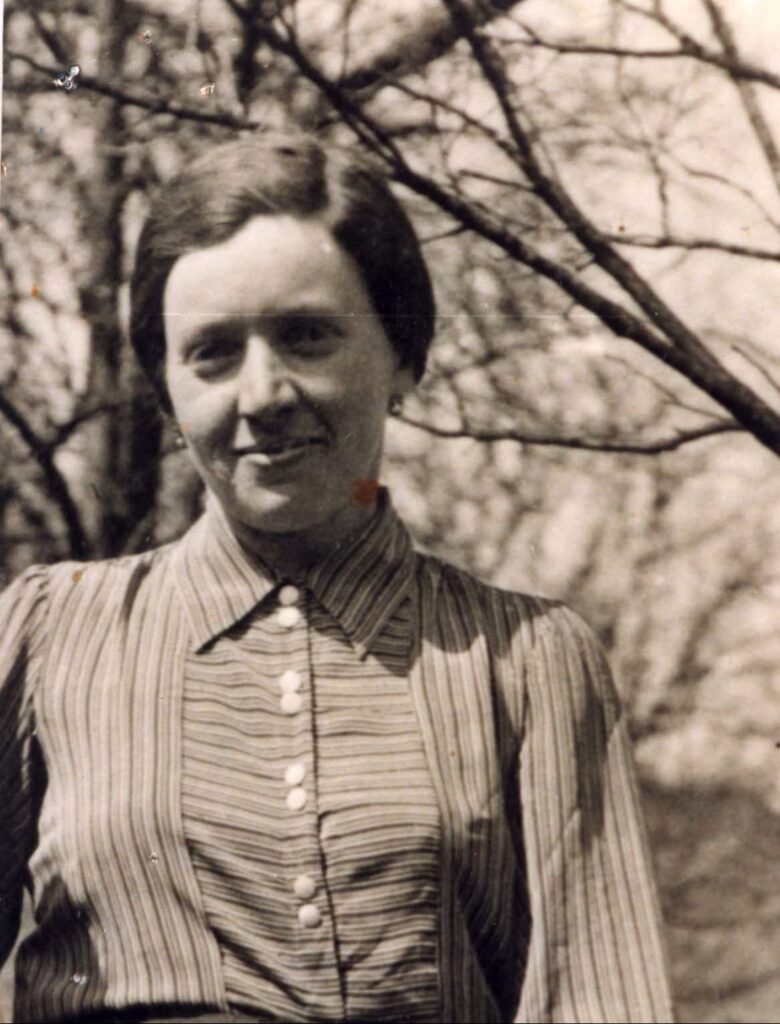
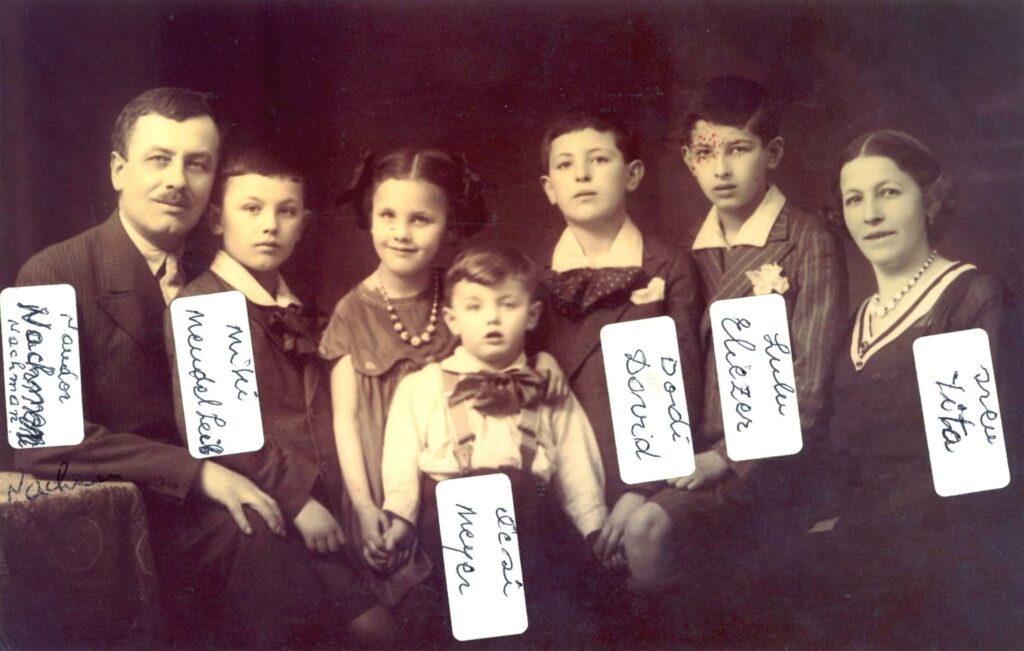
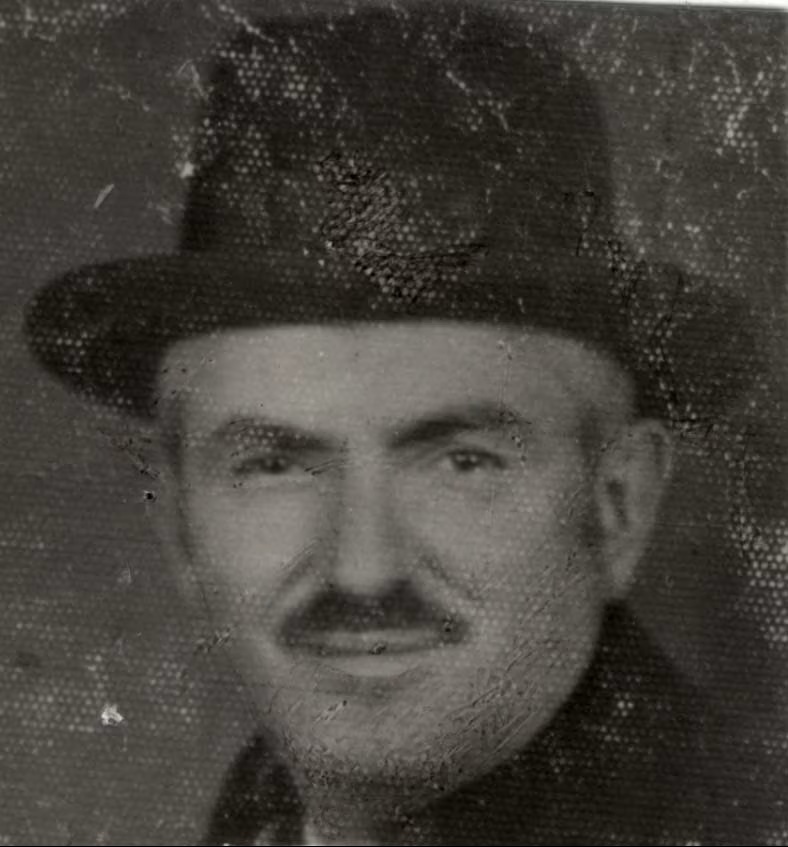
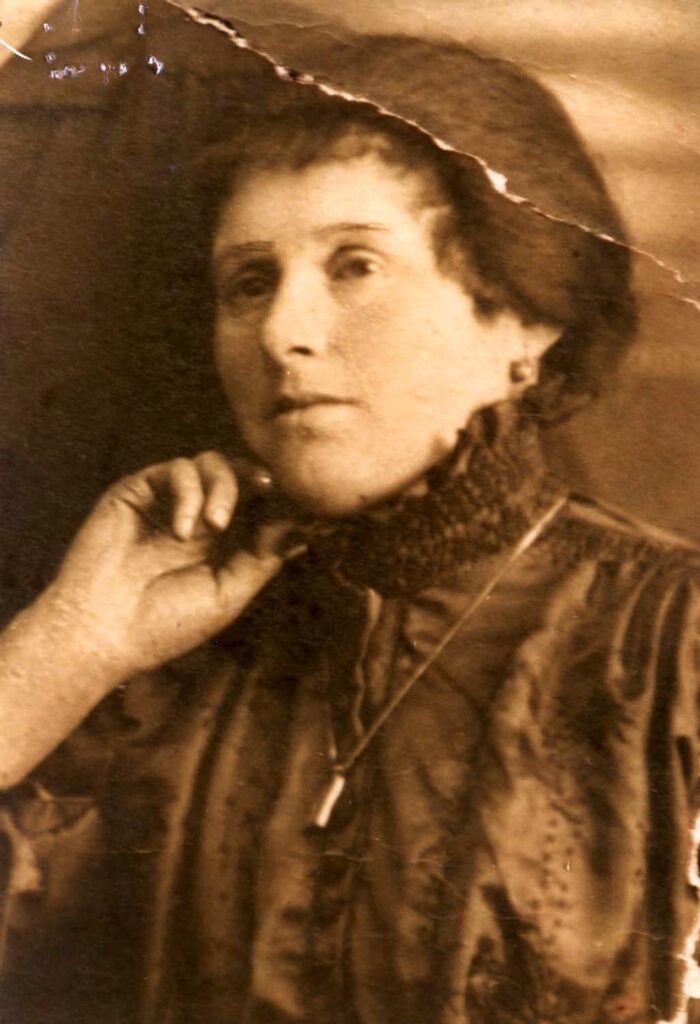
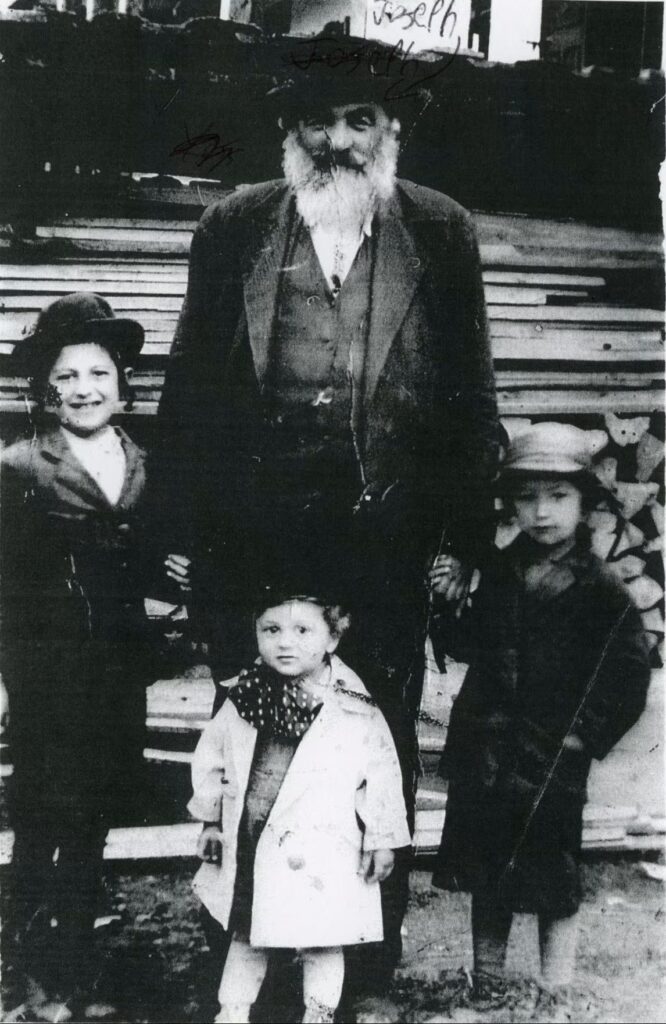
Photo YadVashem