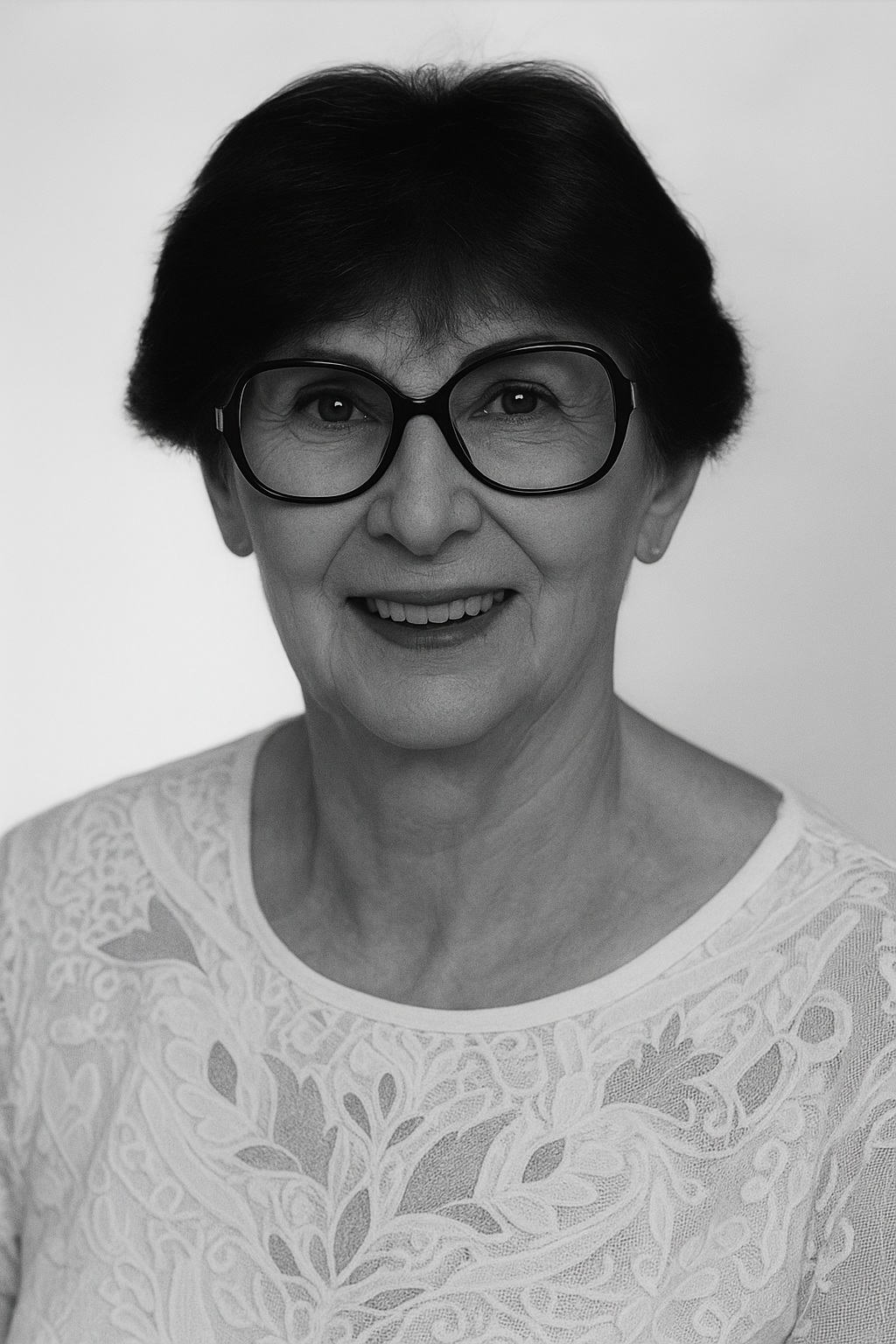
Mărturia lui Frank Miriam
 RegioMM
Mărturia lui Frank Miriam/ Frank Miriam vallomása/ The testimony of Frank Miriam
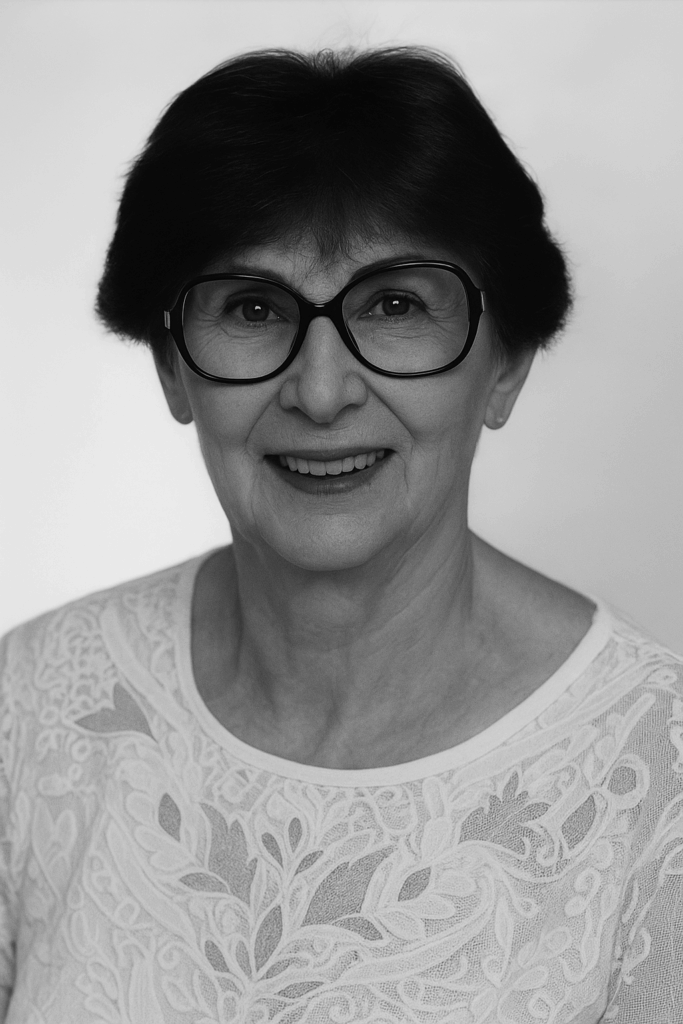
Numele meu este Frank Miriam (născută Pollák) și doresc să povestesc cum am aflat că sora mea, Berkovits Frida, este în viață.
Am fost deportate împreună cu Frida și am ajuns în lagărul Auschwitz, în lagărul „C”, unde am stat timp de șapte săptămâni, până când Mengele ne-a despărțit la o selecție. A spus că Frida nu este potrivită pentru muncă, fiind prea slabă – dar cum putea fi altfel, când eram înfometate și suferinde?
Eu am fost trimisă în lagărul „B”, care era și carantină pentru cele selectate la muncă. În fiecare dimineață mergeam la gardul electric, doar ca să văd dacă sora mea mai trăiește. Frida nu voia să iasă, temându-se că ne-ar putea vedea cineva, dar eu o strigam până când apărea. Dacă aveam ceva de mâncare, îi întindeam prin gard.
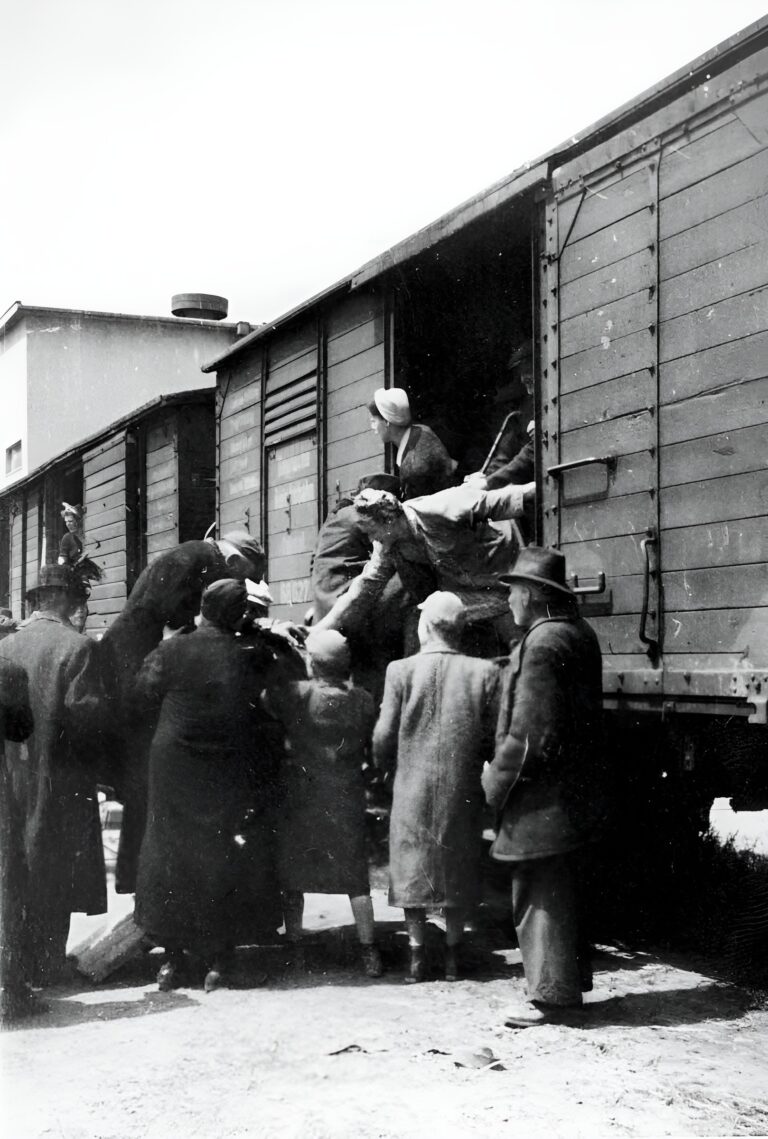
Următoarea selecție a avut loc chiar de Rosh Hashaná. Mengele a ales 300 de femei, printre care și pe mine, și ne-au dus la baie. Dezbrăcate, am stat pe bănci în trepte, ore în șir, așteptând verdictul: muncă sau moarte. În cele din urmă, ni s-a dat o jumătate de pâine, puțin margarină și o haină, apoi am fost urcate într-un vagon murdar de cărbune, fără apă.
Am ajuns la Görlitz, unde am fost împărțite în trei grupe – câte 100 de fete în fiecare baracă. Am primit un pat propriu, un prosop și o farfurie. În sfârșit, am început să ne simțim oameni. Am fost repartizate la o fabrică, unde lucram câte 12 ore pe zi, o săptămână de zi, una de noapte, producând piese de avion.
Am muncit acolo până în februarie. Apoi, cum armata sovietică se apropia, ne-au luat – 800 de bărbați și 300 de femei – într-un marș forțat. Pe drum, 400 de bărbați au murit, inclusiv un băiat din Baia Mare, pe nume Rub.
După o lună ne-am întors la Görlitz. Pe drum ne-au folosit în loc de cai: 12 fete trăgeau fiecare căruță. Așa am parcurs 35 km, din Oberenesdorf până la Görlitz – durerea a fost de nesuportat. Încă simt urmările acelui drum.
Cum nu mai era muncă în fabrică, ne-au dus să săpăm tranșee, la 8 km depărtare. Mers pe jos, foamete, epuizare – nu mai puteai găsi nimic de mâncare. Pe 8 mai 1945, trupele sovietice ne-au eliberat. În iunie, am ajuns acasă, la Baia Mare.
Acasă am găsit doar cumnatul meu, Berkovits Mihály. Mai târziu, a revenit și fratele meu, Géza – slab ca un schelet, dar cu timpul s-a întremat.
Într-o zi, eram în piața de legume, când un bărbat s-a apropiat de noi și a spus:
„Berkovits, soția dumneavoastră trăiește, dar este rănită. Merge cu cârje și se află într-un loc numit Öls, lângă Breslau. Am vorbit personal cu ea, de aceea știu. Este nepoata lui Weiss Géza. Trebuie să o aduceți repede acasă, altfel o vor duce în Uniunea Sovietică.”
După ce a spus asta, a dispărut – nu i-am aflat niciodată numele. Dar oriunde ar fi, Dumnezeu să-l binecuvânteze!
Am plecat imediat de la piață și am început să organizăm plecarea cumnatului meu. N-a fost greu – Mihály avea actele necesare și cunoștea drumurile, deoarece mai fusese plecat după supraviețuitori.
A ajuns cu bine la Öls și a găsit-o pe Frida exact așa cum ni se spusese – cu cârje, într-un lagăr. Mai erau 231 de femei acolo. Mihály a reușit, cu acordul sovieticilor, să le aducă pe toate înapoi, în Transilvania.
Cu doar câteva zile înainte de logodna noastră, am primit o telegramă de la granița românească: Frida și Mihály se întorc acasă! Am răspândit vestea – sora mea trăiește! Fericirea pe care am simțit-o atunci nu poate fi înțeleasă decât de cineva care, supraviețuind Holocaustului, și-a regăsit o rudă pe care o credea pierdută pentru totdeauna.
Curând, a sosit și fratele nostru Jenő, în august. Fusese muncitor în serviciul militar din Carpați, apoi dus în URSS, unde voiau să formeze o unitate de luptă. Dar războiul s-a terminat pe drum, și i-au trimis acasă.
Așa am rămas în viață – noi, cei patru frați mai mari. Pierderea părinților și a celorlalți frați este o durere veșnică pentru noi și pentru întregul popor evreu. Le purtăm amintirea în suflete, pentru totdeauna.
Viața noastră nouă a început în 1945, când ne-am căsătorit. Frații mei și-au întemeiat, la rândul lor, familii. Astăzi, cu toții avem copii și nepoți – și nu uităm niciodată.
Nevem Frank Miriam (szül. Pollák), és szeretném elmesélni, hogyan tudtam meg, hogy a nővérem, Berkovits Frida életben van.
Fridával együtt deportáltak minket, és együtt voltunk Auschwitzban a “C” lágerben hét hétig, míg Mengele a szelekciónál szét nem választott minket. Azt mondta, Frida túl sovány a munkához – de hogyan is lehetett volna jó erőben, amikor éheztünk és szenvedtünk?
Engem a “B” lágerbe vittek tovább, ami karantén volt a munkára kiválasztottak számára. Minden hajnalban kimentem a villanykerítéshez, hogy lássam, él-e még Frida. Félve jött ki, nehogy észrevegyenek minket, de mindig kijött egy pillanatra. Ha volt egy kis étel, átnyújtottam neki a dróton.
A következő szelekció épp Rosh Háshánára esett. Mengele 300 nőt, köztük engem is kiválasztott, fürdőbe vittek, levetkőzve órákig vártunk, hogy eldőljön: élet vagy halál. Végül kaptunk egy fél kenyeret, margarint és egy ruhát, majd bevagoníroztak – újra víz, levegő nélkül.
Görlitzbe érkeztünk, ahol három csoportba osztottak minket, 100 lány barakkonként. Külön priccs, törölköző és tányér jutott mindenkinek. Elkezdődött a gyári munka: repülőgép-alkatrészeket gyártottunk napi 12 órában, váltott műszakban. Februárig dolgoztunk, majd megindult a Vörös Hadsereg – ekkor 800 férfit és 300 nőt elvittek egy halálmenetre. 400 férfi halt meg közben.
Egy hónap múlva visszakerültünk Görlitzbe. Lovak helyett minket fogtak be a szekerek elé: 12 lány húzott egyet. 35 km-t tettünk meg így. Iszonyú fájdalom volt. Később lövészárkokat ástunk, éhezve, legyengülve. 1945. május 8-án szabadítottak fel az orosz csapatok. Júniusban hazaértem Nagybányára.
Otthon csak a sógorom, Berkovits Mihály várt. Később öcsém, Géza is hazatért – csontvázzá fogyva, de lassan felépült. Egy napon, a zöldségpiacon egy idegen férfi megszólított minket:
„Berkovits felesége él, de meg van sebesülve. Most egy Ölsz nevű helyen van, Braslau mellett. Hozza haza gyorsan, különben a Szovjetunióba viszik.”
Ez az ember eltűnt, még a nevét sem tudtuk meg – de örökké hálásak vagyunk neki. Mihály elindult Fridáért. Mivel korábban is járt lágerekben túlélőket keresve, ismerte az utakat és az orosz hatóságokat. Fridát pontosan ott találta meg, mankóval, ahogy mondták – rajta kívül még 231 nő volt ott. Mihály elérte, hogy mindannyiukat hazahozhassa.
Pár nappal az eljegyzésünk előtt jött a sürgöny: Frida és Mihály hazafelé tartanak. Boldogságunk leírhatatlan volt. Frida él! Csak az értheti ezt az érzést, aki túlélte a Vészkorszakot, és újra találkozott halottnak hitt szeretteivel.
Később bátyánk, Jenő is hazatért. Kárpátalján volt munkaszolgálatos, majd a Szovjetunióba került. Egy harci század tagjaként indult Románia felé, de a háború véget ért, így hazaküldték őket.
Így maradtunk életben mi, a négy nagyobb testvér. De a szüleink és testvéreink elvesztése, valamint a zsidó népet ért tragédia örök gyászunk marad.
Új életünk 1945-ben kezdődött. Megházasodtunk, testvéreim is családot alapítottak. Ma már gyerekeink, unokáink vannak – és emlékezünk.
My name is Frank Miriam (née Pollák), and I would like to tell the story of how I found out that my sister, Berkovits Frida, was still alive.
Frida and I were deported together and arrived in Auschwitz, where we were placed in Camp “C” for seven weeks until we were separated during a selection by Mengele. He claimed that Frida was unfit for work because she was too thin – but how could anyone have been healthy, when we were starving and suffering so terribly?
I was sent to Camp “B,” which served as quarantine for those selected for labor. Every morning, I went to the electric fence just to see if my sister was still alive. Frida was afraid to come close, afraid someone would see us, but I called to her until she appeared. If I had even a little food, I would pass it to her through the wire.
The next selection happened on Rosh Hashanah. Mengele chose 300 young women, including me. We were taken to the bathhouse, where we sat naked for hours on tiered benches, waiting to learn our fate – whether we would be chosen for labor or sent to death. Eventually, we were given half a loaf of bread, some margarine, and a piece of clothing, then loaded into filthy coal-stained train cars with no water.
We arrived in Görlitz, where we were divided into three groups – 100 girls per barrack. Each of us received our own bunk, a towel, and a plate. For the first time in a long while, we started to feel human again. We were assigned to factory work, producing airplane parts, working 12-hour shifts – one week of days, one week of nights.
We worked until February. Then, as the Soviet army approached, 800 men and 300 women – including us – were forced into a death march. On the way, 400 men died, including a boy from Baia Mare/Nagybánya named Rub.
A month later, we returned to Görlitz. On the way back, they used us as horses – 12 girls pulled each cart. We walked 35 kilometers from Oberenesdorf to Görlitz. The pain was unbearable, and I still feel the effects of that journey to this day.
There was no more factory work, so we were sent 8 km away to dig trenches. We marched again, starving and weak, with no way to get food. On May 8, 1945, the Soviet troops liberated us. I returned home to Baia Mare/Nagybánya in June.
Back home, only my brother-in-law, Berkovits Mihály, was there. Later, my brother Géza returned too – so emaciated he looked like a skeleton. But slowly, he recovered.
One day, while we were shopping at the vegetable market, a man came up to us and said:
“Berkovits, your wife is alive, but she’s injured. She walks with crutches and is currently in a place called Öls, near Breslau. I spoke to her personally – that’s how I know. She’s the niece of Weiss Géza. You must go get her quickly, or they’ll take her to the Soviet Union.”
After saying this, he disappeared. We never even learned his name – he vanished so fast. But wherever he may be, may God bless him!
We left the market and immediately started organizing Mihály’s trip. It wasn’t difficult – he had all the necessary documents and had traveled before to search for survivors, so he knew the routes and procedures well.
He safely arrived in Öls and found Frida exactly as the man had described – with crutches, still in a camp. Alongside her were 231 other women. Mihály managed to get permission from the Soviets to bring all of them home to Transylvania.
Just a few days before our engagement, we received a telegram from the Romanian border saying that Frida and Mihály were on their way home. We shared the joyous news with everyone – my sister was alive! The happiness I felt at that moment can only be understood by someone who has survived the Holocaust and then found a loved one they thought had died.
Later, in August, our brother Jenő returned. He had served in a forced labor battalion in the Carpathians and was taken to the Soviet Union, where they wanted to form a combat unit. But the war ended during their march to Romania, and they were sent home.
That is how we four older siblings survived. But the loss of our beloved parents and siblings, and the tragedy that befell the Jewish people, will forever be our grief. Their memory lives on within us.
Our new life began in 1945, when we married. My siblings also started families. Today, all of us have children and grandchildren – and we will never forget.