Schwartz György și familia
 RegioMM
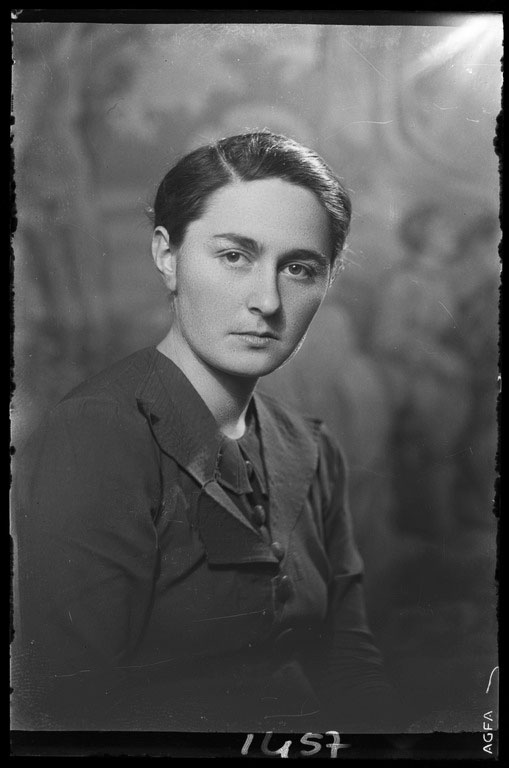
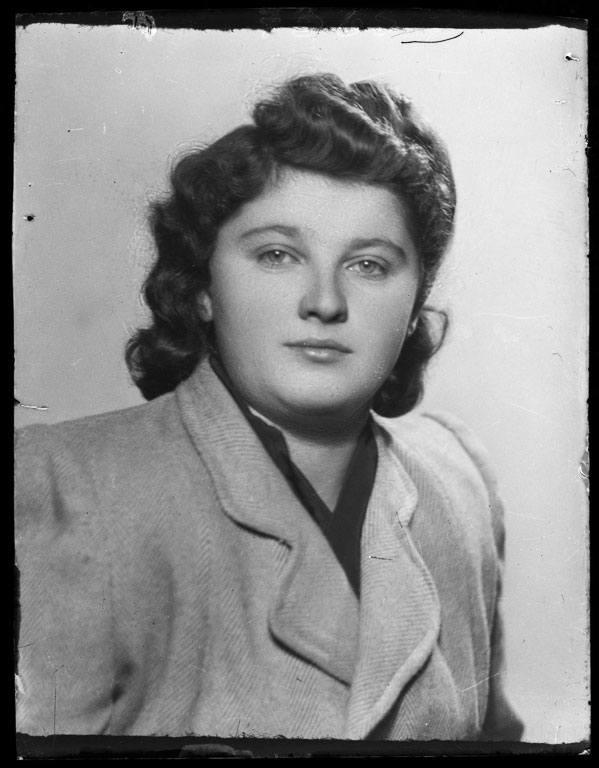
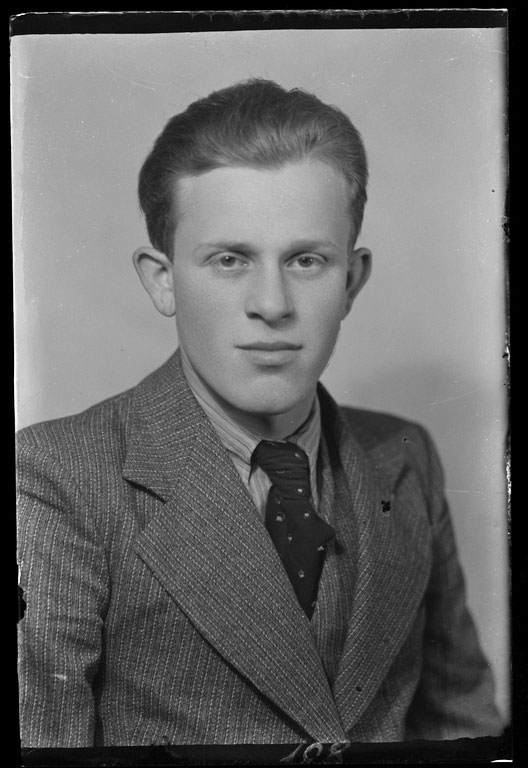
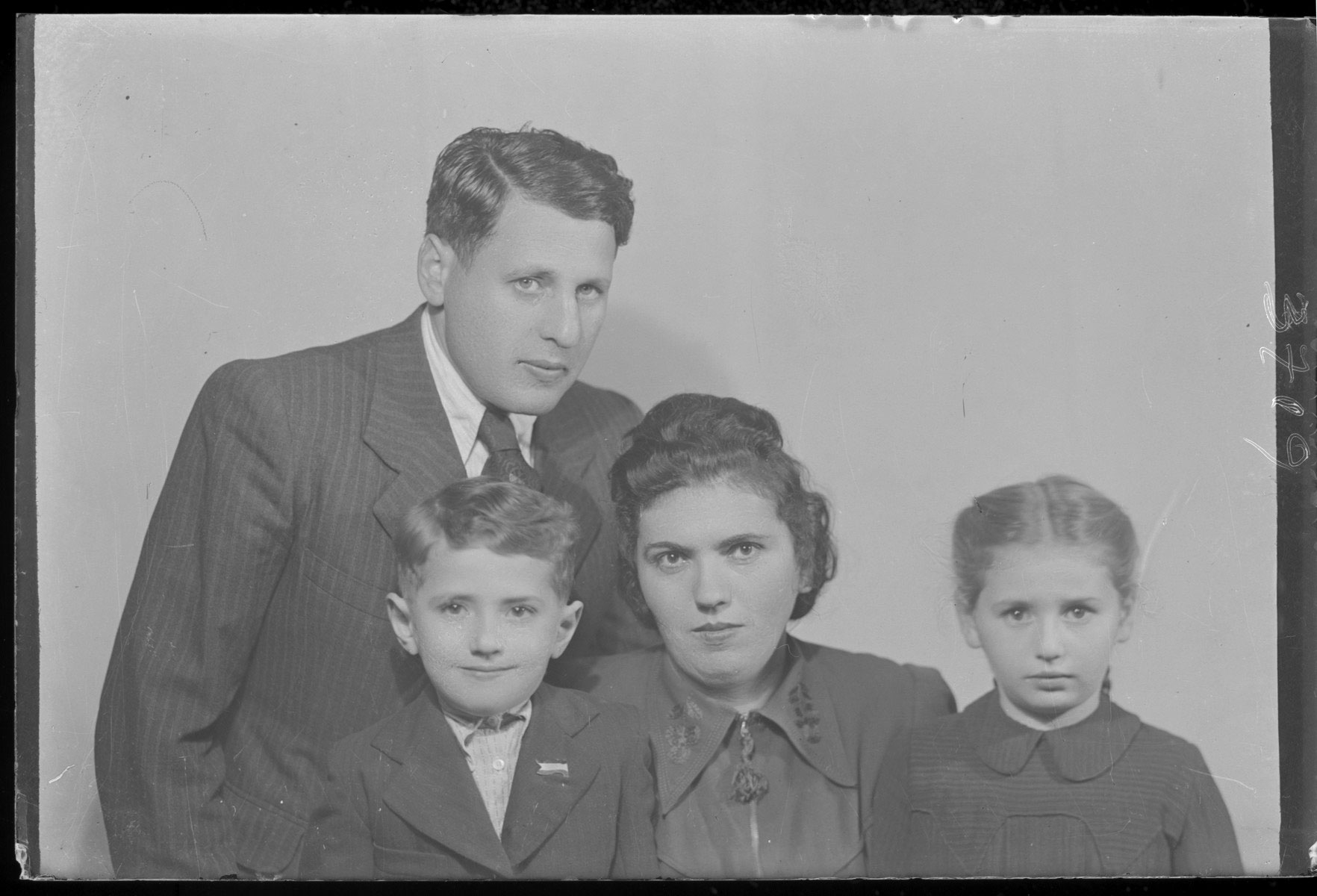
Familia Schwartz a locuit pe strada Porondos (azi Pășunii) din Baia Mare, în imediata vecinătate a familiei Szőnyi. Capul familiei era un apreciat antrenor de lupte, iar soția sa, Klein Erzsi, lucra ca croitoreasă. În cartier, erau cunoscuți ca fiind oameni simpatici, cu sentimente sioniste.
Anul 1943 a fost unul de cotitură: Gyurka a fost chemat la muncă obligatorie, însă, pentru a scăpa de moartea sigură, a fugit la Budapesta, unde a supraviețuit războiului trăind ascuns. Soarta familiei sale a luat însă o întorsătură tragică. În primăvara anului 1944, soția sa, fiica lor, Erzsi, și fiul lor de opt ani, Hermán, au fost închiși în ghetou și apoi deportați. Ei nu s-au mai întors niciodată din lagărele morții.
După război, Gyurka a rămas singur, dar ulterior și-a reconstruit viața: s-a căsătorit cu văduva Lustig. Cuplul a emigrat în Statele Unite ale Americii, la Washington, în speranța unui viitor mai bun. Gyurka s-a stins din viață în anul 1988, în urma unei boli grave.
A Schwartz család a Porondos úton lakott Nagybányán, a Szőnyi család közvetlen közelében. A családfő elismert birkózóedző volt, felesége, Klein Erzsi pedig varrónőként dolgozott. A környéken mindenki szimpatikus, cionista érzelmű emberekként ismerte őket.
Az 1943-as év sorsfordító volt: Gyurkát munkaszolgálatra hívták be, ám ő a biztos halál elől Budapestre szökött, ahol bujkálva vészelte át a háború borzalmait. Családja sorsa azonban tragikus fordulatot vett. 1944 tavaszán feleségét, lányukat, Erzsit és nyolcéves kisfiukat, Hermánt gettóba zárták, majd deportálták. Ők soha nem tértek vissza a haláltáborokból.
A háború után Gyurka magányosan maradt, de később újrakezdte életét: feleségül vette özvegy Lustignét. A pár az Amerikai Egyesült Államokba, Washingtonba emigrált a jobb jövő reményében. Gyurka hosszú élet után, 1988-ban, súlyos betegség következtében hunyt el.
The Schwartz family lived on Porondos Street in Baia Mare (Maramureș county, Romania today), in the immediate vicinity of the Szőnyi family. The head of the family was a well-regarded wrestling coach, while his wife, Erzsi Klein, worked as a seamstress. In the neighborhood, they were known as a likable family with Zionist sympathies.
The year 1943 proved to be a turning point: Gyurka was called up for forced labor, but to escape certain death, he fled to Budapest, where he survived the horrors of the war in hiding. However, his family’s fate took a tragic turn. In the spring of 1944, his wife, their daughter Erzsi, and their eight-year-old son Hermán were forced into the ghetto and subsequently deported. They never returned from the death camps.
After the war, Gyurka was left alone, but he later rebuilt his life and married the widowed Mrs. Lustig. Seeking a better future, the couple emigrated to the United States and settled in Washington, D.C. Gyurka passed away in 1988 following a serious illness.
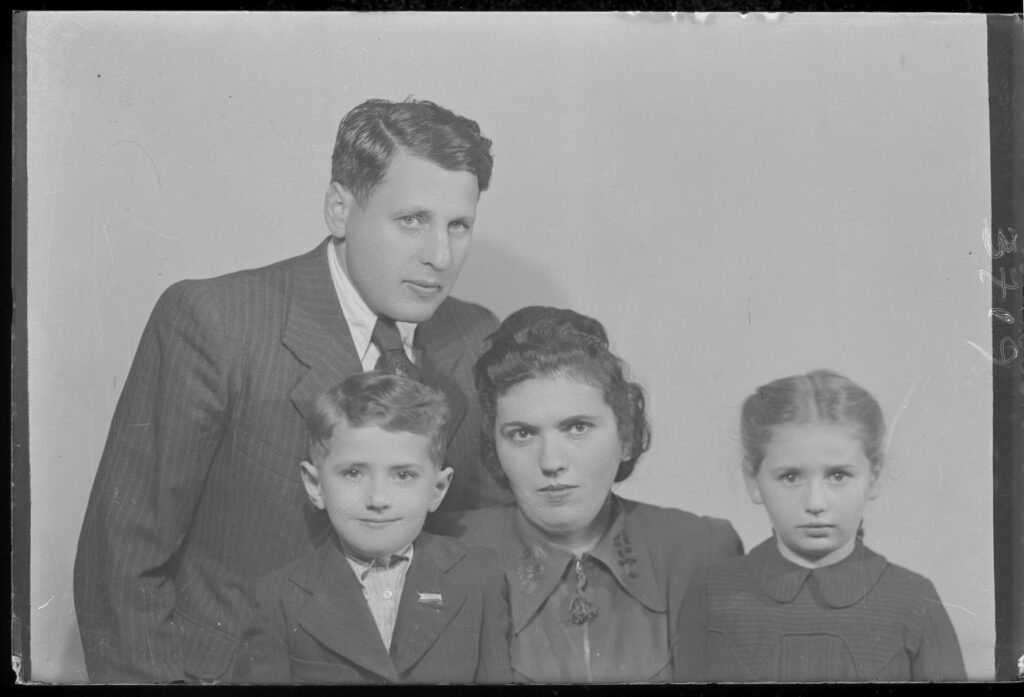
Foto US Holocaust Memorial Musem – Suba Zoltán